Slipping rib syndrome is a rare condition where one or more of the lower ribs move more than they should, resulting in a sharp pain sensation in the lower chest or upper abdomen. Prescribed medical cannabis may help some eligible patients manage these symptoms when monitored by a specialist clinician.
What is slipping rib syndrome?
As its name suggests, slipping rib syndrome is characterised by one or more of the lower ribs becoming more mobile than they normally are. This can make them slip, irritating the nerves underneath and causing a sharp pain in the lower chest or upper abdomen.
Slipping rib syndrome normally affects the 8th, 9th and 10th ribs. These are sometimes referred to as ‘false’ ribs, but not because they’re not really there.
They’re called ‘false’ because they don’t attach directly to the breastbone in the same way as other ribs do. Instead, they connect to one another through fibrous tissue and cartilage. And herein lies the problem.
When this tissue weakens or loosens, it can cause the rib to slip and move underneath the rib above it.
This can then irritate the intercostal muscles in between the ribs, resulting in pain and a clicking or popping sensation being felt when on the move.

What are the risk factors for slipping rib syndrome?
There are several factors that can either trigger slipping rib syndrome or make its symptoms worse.
For example, you may experience symptoms more frequently in situations where you have:
-
taken a direct blow or injured your chest in any way
-
fallen over
-
twisted, lifted or pushed your body too quickly while exercising
-
performed repetitive movements, such as during gymnastics or swimming
-
been diagnosed with hypermobility or a connective tissue disorder, such as Ehlers-Danlos syndrome
While the condition can affect both children and adults of any age, it tends to be slightly more common in women.
It’s also massively underdiagnosed, mainly due to how similar the symptoms it causes are to other chest and abdominal conditions, such as costochondritis, muscle strain and gallbladder-related issues.
What symptoms does slipping rib syndrome cause?
The main symptom of slipping rib syndrome is pain, which can appear in the body in various ways.
For example, the actual feeling of pain itself will often come in one of two forms: a sudden, sharp or stabbing pain, or a duller, background ache.
At the same time, you might also notice:
-
a clicking, popping or slipping sensation in your lower ribs
-
pain when you press on the affected area
-
pain that radiates round to your side or back
But it's not just the physical pain you have to watch out for.
Since slipping rib syndrome is so difficult to diagnose, the condition can lead to various secondary symptoms over time. These include:
If you are currently experiencing any of these symptoms and are concerned about what they might mean, make sure to speak to a medical professional as soon as possible to receive tailored advice.
What treatments are currently available for slipping rib syndrome?
Treating slipping rib syndrome really depends on the severity of the symptoms you’re experiencing and how much they’re impacting your everyday life.
While some patients may require surgery to find relief, others may find that the condition actually resolves on its own without any need for treatment.
Where treatments are required, these will typically be targeted towards either easing the symptoms of pain and inflammation, or addressing the actual rib movement itself.
Here's a brief overview:
|
Type of treatment
|
Clinical context
|
|
Rest and avoiding activities that trigger the pain
|
Often offered as first-line advice to give the area that’s causing the pain time to ease and settle after a flare-up
|
|
Applying heat or ice to the affected area
|
A simple self-care measure that may be recommended to calm pain and inflammation while at home
|
|
Physiotherapy
|
Targeted exercises designed to improve posture and support the chest by reducing strain on the area
|
|
Painkillers (such as NSAIDs)
|
Anti-inflammatory medications offered to offer pain relief and reduce inflammation in the affected areas
|
|
Topical analgesics
|
Pain-relieving gels, creams or patches that are applied to the affected area directly
|
|
Surgical procedures
|
Certain surgeries, such as partial rib resection or vertical rib plating, may be used in rare, persistent cases that haven’t responded well to other treatments or management approaches
|
|
Intercostal nerve blocks
|
Localised injections that often involve an anaesthetic followed by a steroid to help ease pain and confirm the impacted areas
|
|
Prescribed medical cannabis
|
A clinician-led option that may be recommended as part of a wider treatment plan to eligible patients
|
Here at Releaf, we often hear from patients with chronic pain about the impact taking certain treatments has on their day-to-day life. Take a look at our dedicated patient stories page to uncover their real-world insights.
Can medical cannabis treatment help with slipping rib syndrome symptoms?
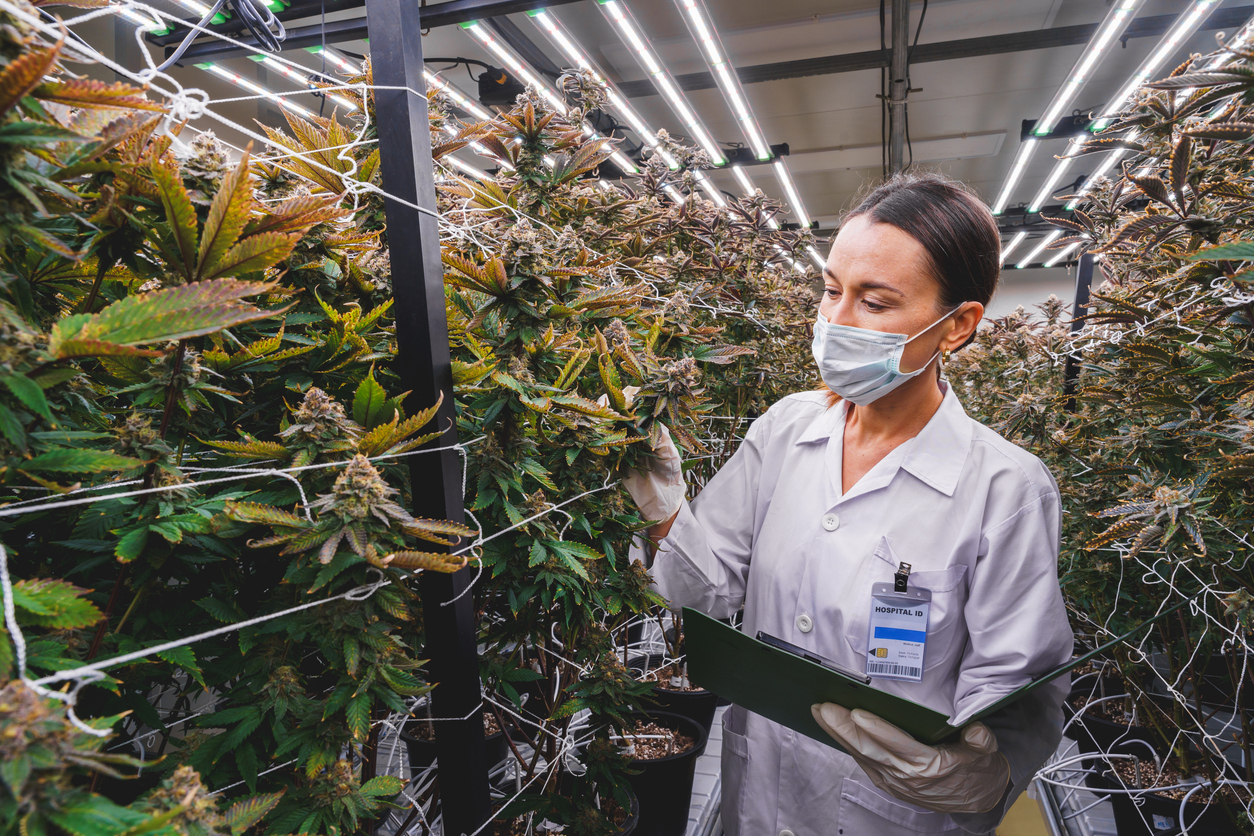
For some eligible patients, being prescribed medical cannabis may help to alleviate specific symptoms associated with slipping rib syndrome, including chronic pain. It may also reduce the anxiety and sleep disturbances typically associated with living with the condition while undiagnosed.
That said, medical cannabis isn’t suitable for everyone and should only ever be taken under strict clinical guidance.
It also can’t correct the underlying cause of slipping rib syndrome, and should never be viewed as either a cure or a standalone treatment.
However, if you are deemed eligible to receive a medical cannabis prescription, your clinician will work with you to find the ideal dosage for your needs.
This will involve adjusting the ratio of the two most common cannabinoids medical cannabis contains, known as tetrahydrocannabinol (THC) and cannabidiol (CBD).
These both work by interacting with the endocannabinoid system, where they offer different roles to help support symptom relief.
-
THC is psychoactive and is studied for its potential to ease pain, including nerve-related pain, as well as symptoms like anxiety
-
CBD is non-intoxicating and has been linked with supporting mood, calming the nervous system and improving overall wellbeing
Since slipping rib syndrome affects everyone differently, a personalised, clinician-led approach matters. Take a look at our dedicated article to learn more about starting a medical cannabis treatment.
How does the endocannabinoid system relate to slipping rib syndrome?
The endocannabinoid system (ECS) is a complex cell-signalling network involved in regulating many of the body's processes, such as pain perception, sleep and how we manage our overall mood.
The system relies on two main receptors, called CB1 and CB2:
-
CB1 receptors are found mostly in the brain and central nervous system, including the pathways that process pain signals
-
CB2 receptors are largely found within immune cells and peripheral tissues, where they help regulate inflammation
The ECS is particularly relevant to slipping rib syndrome because of the type of pain it causes.
The condition often leads to a form of chronic pain that impacts the nerves around the rib’s intercostal muscles, known as neuropathic pain.
Because of this, studies suggest that by acting on CB1 receptors along these pain pathways, cannabinoids may reduce how strongly the body transmits pain signals.
That said, the full picture isn't completely clear, and research is very much still ongoing.
What does research say about medical cannabis and slipping rib syndrome?
Being completely honest, very little.
Until now, there have been no peer-reviewed studies or clinical trials that have specifically looked into the relationship between medical cannabis and slipping rib syndrome.
This is likely to be because of how difficult slipping rib syndrome is to diagnose, and how rare a condition it is.
In fact, there have actually been hardly any studies into the condition itself as it is, let alone in context to medical cannabis.
That said, we can look at the broader evidence of medical cannabis for chronic and neuropathic pain, which slipping rib syndrome is often related to.
Here’s a quick summary of the most recent and relevant findings:
|
Name of study
|
Year of publication
|
Results
|
|
UK Medical Cannabis registry: an analysis of clinical outcomes of medicinal cannabis therapy for chronic pain conditions
|
2022
|
This UK Medical Cannabis Registry study followed 190 patients who had been prescribed cannabis-based products for chronic pain. It established improvements in symptoms like pain, anxiety, sleep and quality of life at 1, 3 and 6 months, with most side effects reported as mild to moderate. However, as an observational study, it cannot prove cause and effect.
|
|
Medical Cannabis Alleviates Chronic Neuropathic Pain Effectively and Sustainably without Severe Adverse Effect: A Retrospective Study on 99 Cases
|
2023
|
This six-week study looked at 99 patients who had been diagnosed with chronic neuropathic pain and were being treated with inhaled medical cannabis. This concluded that medical cannabis is highly effective for treating neuropathic pain and concomitant sleep disturbance.
|
|
Phytocannabinoids for the Treatment of Neuropathic Pain: A Scoping Review of Randomised Controlled Trials Published Between 2012 and 2023
|
2024
|
This review of 17 randomised controlled trials found that medical cannabis which contained THC established the most evidence for pain relief. Meanwhile, CBD-only preparations showed no analgesic effect over placebo, and were typically only assessed in small studies.
|
|
UK medical cannabis registry: A clinical outcome analysis of medical cannabis therapy in chronic pain patients with and without co‐morbid sleep impairment
|
2024
|
This UK Medical Cannabis Registry study analysed 1,139 chronic pain patients both with and without sleep-related issues. It noted that sleep-impaired individuals were more likely to experience greater pain severity, and discovered that cannabis-based products helped to improve patient quality of life.
|
|
Are Cannabis-Based Medicines a Useful Treatment for Neuropathic Pain? A Systematic Review
|
2025
|
This systematic review of 22 randomised controlled trials found that medical cannabis products that contained THC, CBD or a combination may offer a useful option for nerve pain. However, it did note that higher-quality, longer-term research is needed.
|
|
Medicinal cannabis in the treatment of hypermobile Ehlers-Danlos syndrome & hypermobility spectrum disorder: Real-world evidence from Project Twenty21
|
2025
|
This UK-based study followed 121 patients diagnosed with hypermobile Ehlers-Danlos syndrome and hypermobility spectrum disorder over 12 months. It found that medical cannabis treatments significantly improved factors like pain, mood, sleep and quality of life, and only caused mild side effects.
|
|
UK Medical Cannabis Registry: an updated analysis of clinical outcomes of medicinal cannabis therapy for hypermobility-associated chronic pain
|
2026
|
This UK Medical Cannabis Registry study followed 240 patients with hypermobility-associated chronic pain over a period of two years. It found that cannabis-based medicines sustained improvements in pain, anxiety and sleep outcomes for patients with hypermobility-associated chronic pain, with approximately 60% achieving clinically meaningful pain reductions. This is relevant to slipping rib syndrome as the condition is often linked to hypermobility and connective tissue disorders.
|
|
Cannabis-based medicines for chronic neuropathic pain in adults
|
2026
|
This review assessed the potential benefits and harms of cannabis-based medicines (herbal, plant-based, synthetic) against both a placebo and conventional drugs. It found no clear evidence for an effect of THC-dominant, THC/CBD-balanced or CBD-dominant medicines on offering pain relief of 50% or greater. However, THC/CBD-balanced and CBD-dominant were shown to increase the Patient Global Impression of Change rating.
|
While on the topic of chronic pain, it’s worth mentioning the results of Releaf’s 2025 patient survey here as well, the largest survey of active UK medical cannabis patients ever conducted.
Within the chronic pain patient cohort of this survey, 92.2% of 792 respondents reported that prescribed medical cannabis was either moderately, very or extremely effective at relieving their chronic pain issues.
Not only that, but 96.2% of the same respondents said their overall quality of life had improved as a result.
While it won’t work for everyone, a medical cannabis prescription for slipping rib syndrome may be worth pursuing for eligible patients who haven’t responded well to other conventional treatments.

What forms of Releaf medical cannabis can be prescribed for slipping rib syndrome?
Several forms of medical cannabis treatment can be prescribed to help alleviate the symptoms of slipping rib syndrome.
However, finding the right one for your needs will depend on several factors, including your exact symptoms, medical history and personal preferences.
If you’re deemed eligible for a prescription, your consultant will work closely with you to help identify the best format for your needs.
Generally speaking, the main forms of prescribed medical cannabis we can provide include:
-
oils
-
capsules
-
pastilles
-
vaporised dried flower
-
THC vapes
It’s important to note as well that smoking medical cannabis is illegal in the UK. It must only be inhaled via a vaporiser.
Keen to find out more? Visit our knowledge hub for detailed answers to the most common questions about medical cannabis, including everything from the different medical cannabis strains to how to take it effectively.
Am I eligible for UK medical cannabis treatment for slipping rib syndrome?
This is a difficult question to answer, as eligibility for prescribed medical cannabis varies on a patient-by-patient basis and can only be administered by a CQC-regulated private clinic, like us at Releaf.
That said, slipping rib syndrome is one of many conditions that medical cannabis can be prescribed as a treatment for, following the UK government’s change to the law in November 2018.
To see whether you might be eligible, here’s the key eligibility criteria you’ll need to meet:
|
Eligibility criteria
|
Further details
|
|
Slipping rib syndrome diagnosis
|
You will need to have been diagnosed with slipping rib syndrome by a doctor or specialist
|
|
Previous treatment use
|
You will need to have tried at least two conventional treatments that have failed to provide adequate relief for your symptoms, or caused unwanted side effects
|
|
Pregnancy and breastfeeding
|
You will not be eligible for a medical cannabis prescription if you are either pregnant or breastfeeding
|
|
Other diagnoses (such as bipolar, psychosis or schizophrenia)
|
You will not be eligible for a medical cannabis prescription if you have been diagnosed with psychosis, bipolar or schizophrenia
|
|
Detailed medical history
|
A full review of your existing medical history will be required before your initial consultation
|
How does the Releaf prescription process work?
If you do meet the eligibility criteria outlined above, you’ll be able to book in an initial consultation with our world-class clinical team.
After discussing the impact of your condition in more detail, and establishing the triggers, symptoms and treatments you’re currently taking, they’ll be able to assess whether a medical cannabis prescription would be suitable for your needs.
If it is, you’ll be given the option to become a Releaf patient, where you'll receive access to a whole host of benefits:
To get started with the process, our medical cannabis eligibility checker is the easiest way to find out whether you're eligible. It's free, only takes 30 seconds, and may be your first step towards finding relief.
FAQs on medical cannabis for slipping rib syndrome
Still got questions about medical cannabis and slipping rib syndrome? We're here to help. Keep reading to find answers to some of the topics we’re most commonly asked about.
Can medical cannabis cure slipping rib syndrome?
No.
Slipping rib syndrome is caused by the rib moving as a result of the intercostal muscle nerves becoming irritated. Medical cannabis can’t change or prevent that mechanism, and shouldn’t be seen as either a cure or standalone treatment.
What medical cannabis might do, for certain eligible patients, is help to alleviate the chronic, nerve-related pain that the condition is often associated with.
Can medical cannabis help with the anxiety that comes with chest pain?
Possibly.
Living with recurrent chest pain may exacerbate the anxiety or fear that it’s being caused by some kind of heart-related issue.
Since cannabinoids like THC and CBD have been shown to interact with the ECS, a system involved in regulating our mood, prescribed medical cannabis has been shown to potentially ease your mind and reduce these anxious thoughts.
That said, the evidence is still developing, so any decision over adding it to your treatment plan should be made by your consultant. Contact our team if you’re ever not sure.
Can medical cannabis be prescribed alongside my other SRS treatments?
In many cases, yes.
While medical cannabis can’t be offered as a standalone treatment, it may be recommended to eligible patients as part of a wider approach alongside your other treatments.
During your initial consultation, your specialist will review the medications you're currently taking to make sure prescribed medical cannabis is an appropriate addition.
Can medical cannabis help if I still have pain after rib surgery?
Yes, it may be considered depending on the symptoms you’re experiencing.
Even after having surgery, some patients can continue to experience chronic or nerve-related pain, which may require additional support.
This is where a medical cannabis prescription may be recommended to help, working alongside any other medications you’re currently taking.
Releaf - let's rethink healthcare