Yes, medical cannabis may be considered for some eligible patients living with chronic pain when symptoms continue to affect daily life despite standard treatment.
Medical cannabis works by interacting with the body's endocannabinoid system, along with other receptor sites. The endocannabinoid system is directly connected to how we regulate pain, inflammation, and nerve signalling. When this system is supported by cannabis produced compounds, namely cannabinoids (THC and CBD), you may find that your chronic pain issues are easier to not only manage, but your overall quality of life may also improve.
In November 2025, Releaf conducted the largest survey of active UK medical cannabis patients ever conducted. Of the 1,669 respondents, patients being treated for chronic pain made up almost half (792, or 47.5%) of all participants, and that lines up with the fact that it is also the most common reason that Releaf patients are prescribed medical cannabis. It also clearly reflects the wider national picture: the British Pain Society has estimated that close to 28 million adults in the UK live with some form of chronic pain.
How effective is medical cannabis for pain?
Here is what the 792 chronic pain patients reported in Releaf’s 2025 survey
|
Measure
|
Result
|
|
Treatment effectiveness
|
|
|
Extremely or very effective
|
76.3%
|
|
Moderately effective
|
15.9%
|
|
Slightly or not effective
|
Less than 5%
|
|
Too early to tell
|
1.8%
|
|
Quality of life
|
|
|
Improved quality of life
|
96.2%
|
|
Improved ability to work or study
|
85.9%
|
|
Side effects
|
|
|
Reported no side effects
|
88.8%
|
|
Reported some side effects
|
11.2%
|
|
Confidence and stigma
|
|
|
Reported no experience of stigma
|
83.3%
|
|
Felt confident using medication outside the home
|
71.5%
|
Here’s what a few of the patients behind those numbers shared with us through their patient stories.
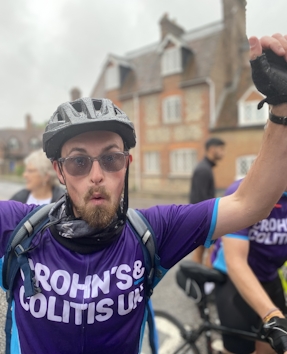
Brendan’s story
“I've come off antidepressants. It's been a real transformation. Although I'm disabled at the moment, the pain's not there so much. Generally speaking, it’s been a huge transformation.
I'm able to get out and about and go on walks. Since I've started using medicine from Releaf, I've got a bicycle, and I can cycle, which doesn't sound like a lot, but for me, who has been really unwell for quite a long period of time, it's fantastic.”
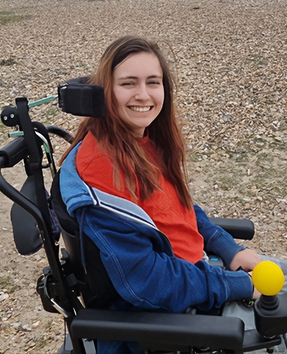
Maxim’s story
“For me, my pain bothers me most in the evening. Although I really did want to use the vaporiser when my medication first arrived, I decided to save my first impressions for when I knew it would make the most difference, and so I tried the cannabis oil first. I went to sleep like any other night, really, but how I felt in the morning was a remarkable difference to how I usually feel.”
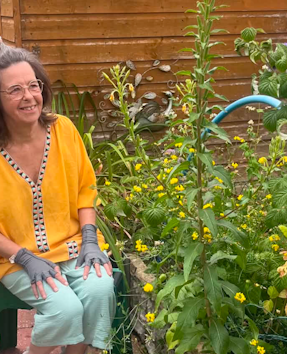
Carol’s story
“With cannabis flower, I can walk better. I take fewer pills. I can play with my grandchildren, where I would struggle before. My son and my daughter-in-law are my carers, and even they've noticed a difference.
I have actually got a cake in the oven. That's the difference it's made. It's through the medical cannabis that I've been able to stand and mix it all. Before, it would have been too painful.”
How does medical cannabis help with chronic pain?
Different cannabinoids interact with the body’s regulatory systems in different ways, which is why medical cannabis treatment rarely focuses on just one compound. THC is the cannabinoid that is most associated with direct pain relief, along with relaxation and mood regulation. It has also been shown to help many chronic pain patients who have disrupted sleeping patterns caused by their long-term pain condition.
The most recent research is showing that THC works by activating both the CB1 and CB2 receptors, the two main endocannabinoid system receptors. Both play a role in how we perceive pain, but do so in quite different ways.
-
CB1 receptors are located in the central nervous system, throughout the brain and spinal cord, which is where the pathways that carry pain signals are concentrated, making CB1 receptors central to how the intensity of pain is both registered and potentially dampened.
-
CB2 receptors are found in our immune and glial cells, and become activated during states of chronic inflammation. When activated, they can help modulate the immune response that drives and sustains long-term pain issues.
CBD has a more indirect impact. While it has only a slight ability to bind to both receptors, it has been shown to reduce the rate at which our own bodily produced cannabinoids are broken down. This can help boost our natural endocannabinoid levels and support the system's own pain regulating activity.
What type of pain can medical cannabis be prescribed for in the UK?
In almost all cases, the pain must be classed as chronic. For a condition to be considered chronic, you will have had to have been dealing with these symptoms for at least 12 weeks, and those symptoms will need to be ongoing.
Pain is a unique and very wide-ranging health issue, rarely affecting two patients in exactly the same way. It can stem from an injury, a long-term condition, or issues with nerves and the muscular system itself. It can be a constant, wearing ache or sharp flare-ups that come and go without much warning, or even both.
With this in mind, and as medical cannabis works on the underlying endocannabinoid system (and other receptor sites) rather than a single source of pain, it can be offered to patients across a vast spread of chronic pain conditions.
Medical cannabis for arthritis is one of the more common reasons chronic pain patients come to us, but it is far from the only one. Fibromyalgia is another commonly treated condition, which causes not only widespread pain but also heavy fatigue issues, often brought on by broken sleep. ME/CFS presents in a somewhat similar way, often a vicious cycle of persistent pain and exhaustion that feed into each other
Nerve pain (neuropathy) can be one of the more difficult pain issues to properly treat with conventional options, and so it is not a huge surprise that over the past few years, we have had many patients come to us looking for help managing their neuropathic pain with medical cannabis. The same goes for trigeminal neuralgia, which brings on sudden and severe bursts of pain in the face, and endometriosis, where chronic pelvic pain is often just one part of a vast range of symptoms.
We also regularly treat patients suffering from headaches, including migraines and cluster headaches. And as we age, back pain issues start coming to the fore for many of us, from persistent lower back pain to the sharp, life-altering pain that sciatica radiates down the legs.
For the full list of conditions that can bring on chronic pain and may be able to be treated with a Releaf medical cannabis prescription, scroll back up to the common chronic pain conditions above. If you don’t see the condition you're currently dealing with listed, our Patient Support Team is always on hand to talk things through.
Is medical cannabis an option when other painkillers haven't worked?
Yes, but with one important caveat. Medical cannabis is not a ‘first line’ treatment option here in the UK. For it to be potentially offered as a legal treatment option, you will need to have tried at least two conventional treatment options first, and found that they either didn't bring the symptom relief you need or came with side effects that affected your day to day well-being.
How do you access medical cannabis for pain in the UK?
While medical cannabis has been a fully legal treatment option here in the UK since 2018, it must be prescribed by a specialist doctor on the GMC Specialist Register. GPs cannot initially prescribe it, but can help with ongoing care once a specialist has started your treatment, as can a nurse.
Releaf’s world-class clinical team is made up of over 60 specialists, GPs, and nurses, all with the extensive training and experience in supporting patients just like you through their medical cannabis treatment journey.
Getting started is as simple as heading to our fast and free medical cannabis eligibility checker. It takes all of 30 seconds to complete, comes with zero obligations, and may be your first step towards better health.
For more info, head to our page explaining the full prescription process.